Scams & Compliance
This page is educational only and is not legal advice.
Verify details before sharing information. No guarantees; results vary.
On this page: Red Flags • Green Flags • Compliance Basics • How to Verify • How to Report • Common Questions • How We Help
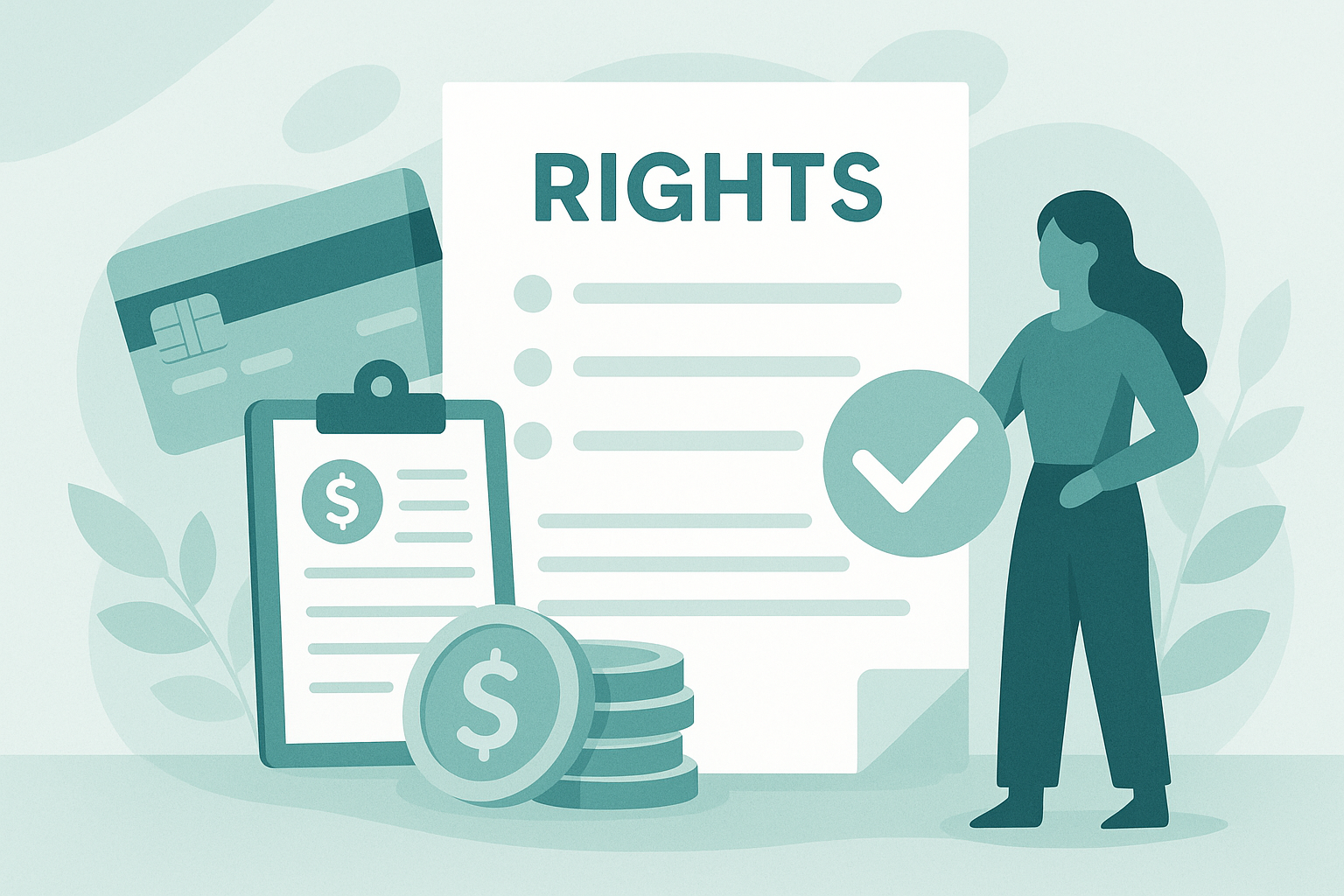
When reviewing debt-relief options, keep written records and verify identity details before sharing sensitive information.
- Read written terms before deciding.
- Confirm who you are communicating with.
- Use official reporting resources if concerns appear.
What debt-relief scams look like (red flags)
- Upfront fee demands before services are performed.
- Guaranteed outcomes or guaranteed savings claims.
- Pressure tactics that limit your time to review terms.
- Requests for bank logins, one-time passcodes, or remote device access.
- Refusal to provide written disclosures before enrollment.
- Spoofed domains or mismatched callback numbers.
- Claims of a "government program" or "special relationship" to force urgency.
What legitimate providers typically do (green flags)
- Provide clear written disclosures and plain-language terms.
- Explain fees and timing clearly in writing before you decide.
- Maintain verifiable business identity and contact methods.
- Set privacy expectations, including what they will never ask for.
- Give you reasonable time to review terms before deciding.
- Share a document checklist: written terms, fee schedule, cancellation policy, privacy policy, and contact information.
Compliance basics (plain-English overview)
This is educational information, not legal advice.
What to expect before enrollment
- Written terms that explain program scope and responsibilities.
- A cancellation policy you can review before agreeing.
- A privacy policy describing how your data is handled.
What questions to ask
- Can you send all terms and fee timing details in writing?
- Who is the legal business entity and where can I verify it?
- What are my options if I need more time to review?
- Where can I find your privacy and cancellation policies?
Avoid language that sounds like promises, such as guaranteed results, stopping all collection activity, or erasing debt.
How to verify a provider (checklist)
- Verify the domain name, phone number, and written documents match each other.
- Confirm identity consistency across disclosures, website pages, and callback details.
- Keep records such as screenshots, emails, and signed agreements.
- Use official website contact pages and do not trust inbound caller ID alone.
How to report suspected scams (official resources)
- Federal Trade Commission (FTC)
- Consumer Financial Protection Bureau (CFPB)
- Find your State Attorney General office
Use official reporting channels for documentation and follow-up.
Common questions
Can any company guarantee debt settlement results?
What should I receive before enrollment?
Is caller ID enough to verify who contacted me?
What information should never be requested during an options review?
How we help
We focus on education, clarity, and practical next steps so you can evaluate options with confidence. No guarantees are made, and outcomes vary based on individual circumstances.